

Our Story
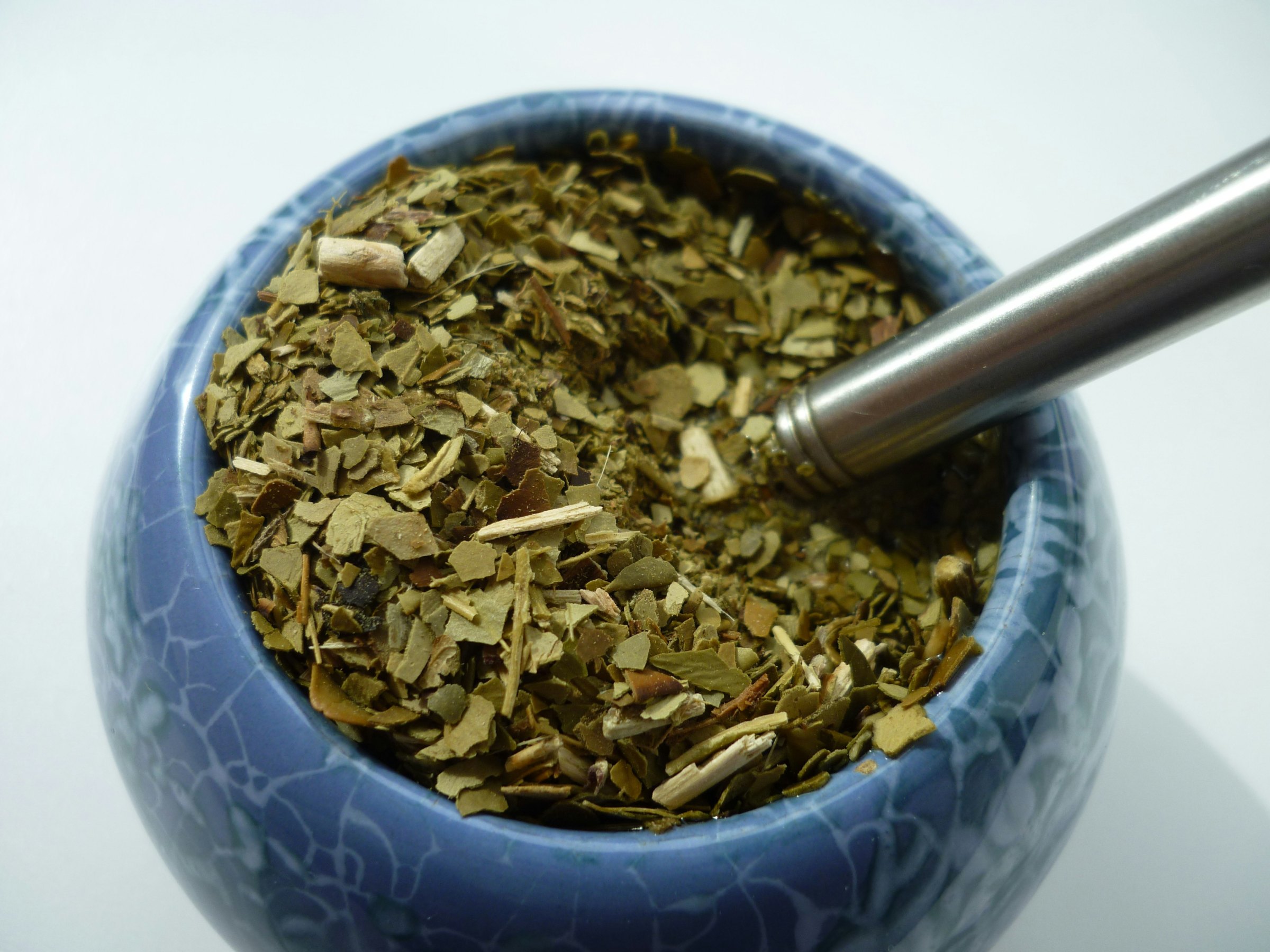
It all started with a conversation over mate.
Steaming water, the familiar feel of a mate passing from hand to hand and a conversation about our passions.
Our family’s love of golf spanned generations and countries. We wanted a way to become more integrated with the sport and that led to a deep education in Argentine weaving and in golf’s history in Argentina. Eventually, we formed a partnership with a weaver and the rest is history.
What could a weaver in Argentina and a golfer in New York have in common? A love of nature and good materials.
A short history of the cloth.
Argentine weaving runs in two traditions that never fully merged.
In the south, Mapuche weavers work wool on the telar mapuche — an upright loom — across Neuquén, Chubut, and Río Negro. In the north, on the Puna plateau four thousand metres up, weavers spin llama and other camelid fibre and take their palette from the animals rather than from dye.
After the Spanish, and then the waves of European immigrants, both traditions absorbed new techniques and materials. What survives is neither purely pre-Hispanic nor European. It is specific to Argentina in a way that can’t be reproduced anywhere else. It is also, by most accounts, disappearing.
A barrel headcover, cut from handwoven cloth, lined, and finished by hand.
Looped wool and alpaca woven through with mohair, brushed after the loom. Fifty thousand Martindale rubs is an upholstery rating — the cloth is graded for furniture people sit on every day. A headcover spends its life being pulled off and thrown in a bag, which is the whole reason we specified it.
- Cloth
- Wool 45% · Alpaca 20% · Mohair 20% · Polyamide 15%
- Width
- 138 cm
- Abrasion
- 50,000 Martindale
- Finish
- Brushed after weaving
- Lining
- Pile sherpa
- Trim
- Guarda Pampa ribbon, 1 in
- Closure
- Internal elastic, no hardware
- Run
- Varies, dependent on harvest
Five pairs of hands before ours.
The cloth in every cover has passed through five pairs of hands before we touch it — shorn, washed, spun, dyed, and woven in Argentina on wooden looms, at the pace that work takes. What we add is the last two steps.
01
The Flock
Sheep in the south, alpaca in the north, in communities where the flock has been the family's living for as long as anyone can account for.
02
Spinning
The fleece is sorted by hand, washed, and spun on a spindle — then spun a second time, two threads twisted into one.
03
Dyeing
Colour comes from plants, flowers, vegetables, and smoke. Natural dye never lands evenly, so no two lengths of the same colour match.
04
The Loom
The looms are wooden and the weavers built them. Each community weaves differently, and you can see the region in the cloth if you know what to look for.
05
Cutting
Every length is catalogued: fibre, width, weave, weight, how much of it exists. That last number decides everything.
06
Finishing
Cut to the pattern, lined in pile, banded with the Guarda Pampa, elasticated, labelled — and numbered.